
India’s Pollution Situation in 2025: Current Status, Challenges & The Road Ahead
India, a rapidly developing nation and home to more than 1.4 billion people, continues to struggle with pollution-related challenges in 2025. While the country has taken several steps toward environmental protection, pollution levels—especially air and water pollution—remain a serious concern. This blog explores the current pollution scenario, key issues, government initiatives, and the way forward.
1. Air Pollution: India’s Biggest Environmental Challenge
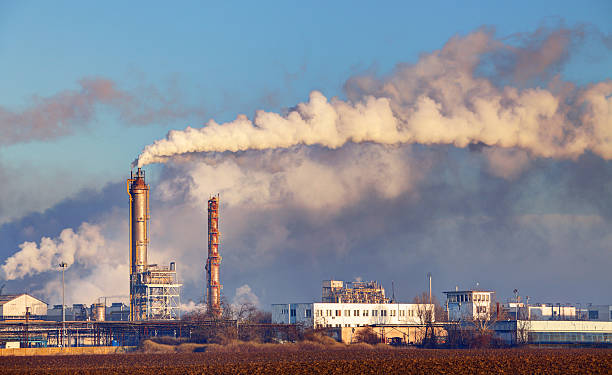
In 2025, air pollution still stands as the most severe form of pollution affecting India. Many metropolitan and industrial cities regularly report poor Air Quality Index (AQI) levels.
Major Causes of Air Pollution
- Vehicular emissions from millions of cars and two-wheelers
- Industrial smoke and thermal power plants
- Construction dust
- Crop burning in northern states
- Population density and urban congestion
Impact
- Increase in respiratory diseases (asthma, bronchitis)
- Reduced life expectancy in highly polluted regions
- Economic losses due to health-related issues
2. Water Pollution: Contaminated Rivers and Groundwater
Despite large-scale programs like the Namami Gange Mission, water pollution in 2025 remains a major threat.
Key Causes
- Untreated industrial waste released into rivers
- Household sewage flowing directly into water bodies
- Agricultural runoff carrying pesticides and fertilizers
- Over-extraction and contamination of groundwater
Most Affected Water Bodies
- Ganga
- Yamuna
- Godavari
- Brahmaputra and smaller regional rivers
3. Plastic Pollution: A Growing Environmental Hazard
India generates a massive amount of plastic waste every year. Though the single-use plastic ban has been introduced, implementation is still weak.
Problems in 2025
- Inefficient waste management systems
- Lack of recycling awareness
- Landfills overflowing with mixed waste
- Plastic entering oceans and harming marine life
4. Noise Pollution: The Often-Ignored Culprit
With increasing traffic, construction, and urban expansion, noise levels in many Indian cities exceed WHO recommended limits.
Common Sources
- Vehicle horns
- Loudspeakers
- Construction machinery
- Industrial zones
5. Government Initiatives in 2025
The Indian government has implemented several pollution-control programs to fight environmental degradation:
Major Initiatives
- National Clean Air Programme (NCAP) – aims to reduce air pollution by 40%
- Green Mobility Programs – promotion of electric vehicles (EVs)
- Swachh Bharat Mission – ongoing cleanliness and waste management improvements
- River Rejuvenation Projects
- Ban on certain categories of plastic
Though these programs show positive results, consistent efforts and public participation are essential.
6. What Needs to Be Done Next?
To make India cleaner and greener, the following steps are crucial in 2025 and beyond:
Recommendations
- Strengthen enforcement of pollution laws
- Promote EVs and public transportation
- Expand renewable energy sources like solar and wind
- Improve waste segregation at the household level
- Increase awareness through schools and communities
- Encourage industries to adopt green technologies
Conclusion
India’s pollution situation in 2025 is a mix of progress and ongoing challenges. While government policies and technological improvements have brought some relief, achieving a pollution-free India requires joint efforts from the government, industries, and citizens. With sustained commitment, India can move toward a cleaner, healthier, and more sustainable future.