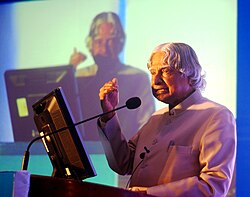
Dr A.P.J. Abdul Kalam, known as the Missile Man of India and the people’s Presdent, remains one of the most respected and Inspirational figures in Indian history. His life is a shining example as a hard work, humility and dedication to the Nation. From a small town boy to becoming the Presditent of India, Dr A.P.J. Abdul Kalam’s journey is a truly extraordinary.
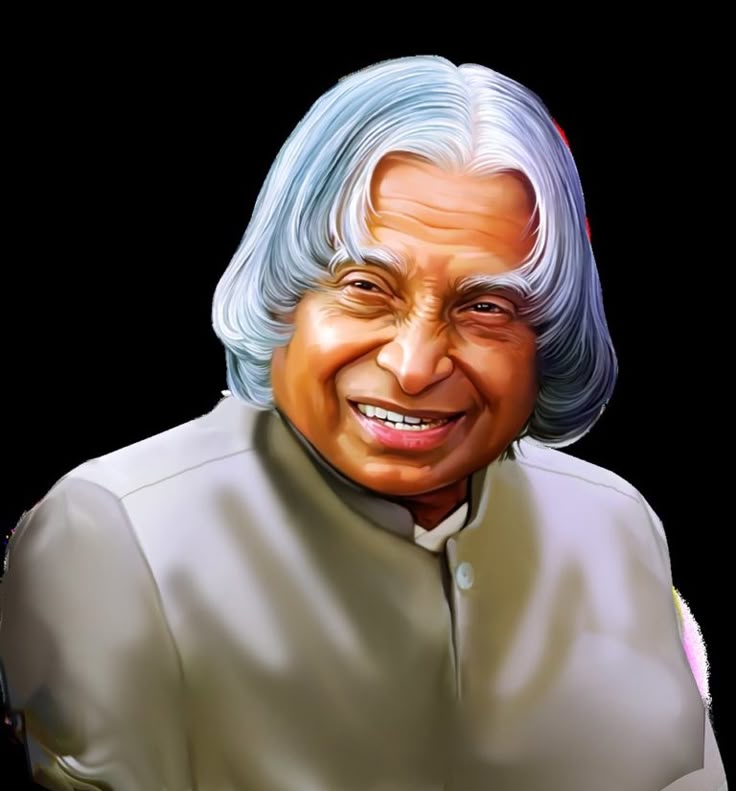
Early Life and Education
Avul Pakir Jainulabdeen Abdul Kalam was born on October 15, 1931, in Rameswaram, a small town in Tamil Nadu. His father, Jainulabdeen, was a boat owner, and his mother, Ashiamma, was a homemaker. Though his family was not wealthy, they were rich in values and faith. From a young age, Kalam showed great curiosity and a love for learning.
He completed his schooling at Schwartz Higher Secondary School and then went on to study physics at St. Joseph’s College, Tiruchirappalli. Later, he pursued aerospace engineering from the Madras Institute of Technology (MIT). Even as a student, he dreamed of flying and contributing to India’s defense and space technology.
Career in Science and Technology
Dr. Kalam began his career at the Defence Research and Development Organisation (DRDO) and later joined the Indian Space Research Organisation (ISRO). He played a key role in developing India’s first satellite launch vehicle, SLV-III, which successfully deployed the Rohini Satellite in orbit in 1980. This remarkable achievement made India one of the few nations with space launch capabilities.
He was also deeply involved in India’s missile development programs, leading to the successful creation of Agni and Prithvi missiles. His dedication and leadership in these projects earned him the nickname Missile Man of India.
In 1998, Dr. Kalam played a vital role in India’s Pokhran-II nuclear tests, which made India a nuclear power. Despite international pressure, his scientific leadership and determination helped India achieve self-reliance in defense technology.
The People’s President
Dr. Kalam’s popularity and humility made him one of the most loved leaders in India. In 2002, he was elected as the 11th President of India, serving until 2007. Unlike typical politicians, he remained non-partisan and focused on youth development, education, and national progress. He often interacted with students, encouraging them to dream big and work hard.
Even after completing his term, he continued teaching and interacting with students across the country. He believed that the youth were the real strength of India.
Legacy and Inspiration
Dr. Kalam passed away on July 27, 2015, while delivering a lecture at the Indian Institute of Management, Shillong—doing what he loved most, teaching students. His life remains a guiding light for millions of Indians.
Dr. A.P.J. Abdul Kalam’s journey proves that with hard work, faith, and perseverance, anyone can rise from humble beginnings to achieve greatness. He will always be remembered as a visionary scientist, a dedicated teacher, and a true patriot who dreamt of a strong and developed India.